Car Wrapping: Enhance Your Vehicle With Visually Appealing Designs
Car wrapping has become a widely-used technique for individuals and businesses to improve their cars. This technique provides a combination of visual attractiveness and functional advantages. From protecting the original paint to functioning as a moving promotional tool, car wraps address various needs. As options expand, understanding the subtleties of this customization becomes crucial. What factors should one think about when selecting a pattern or type of wrap? The answers may surprise you.
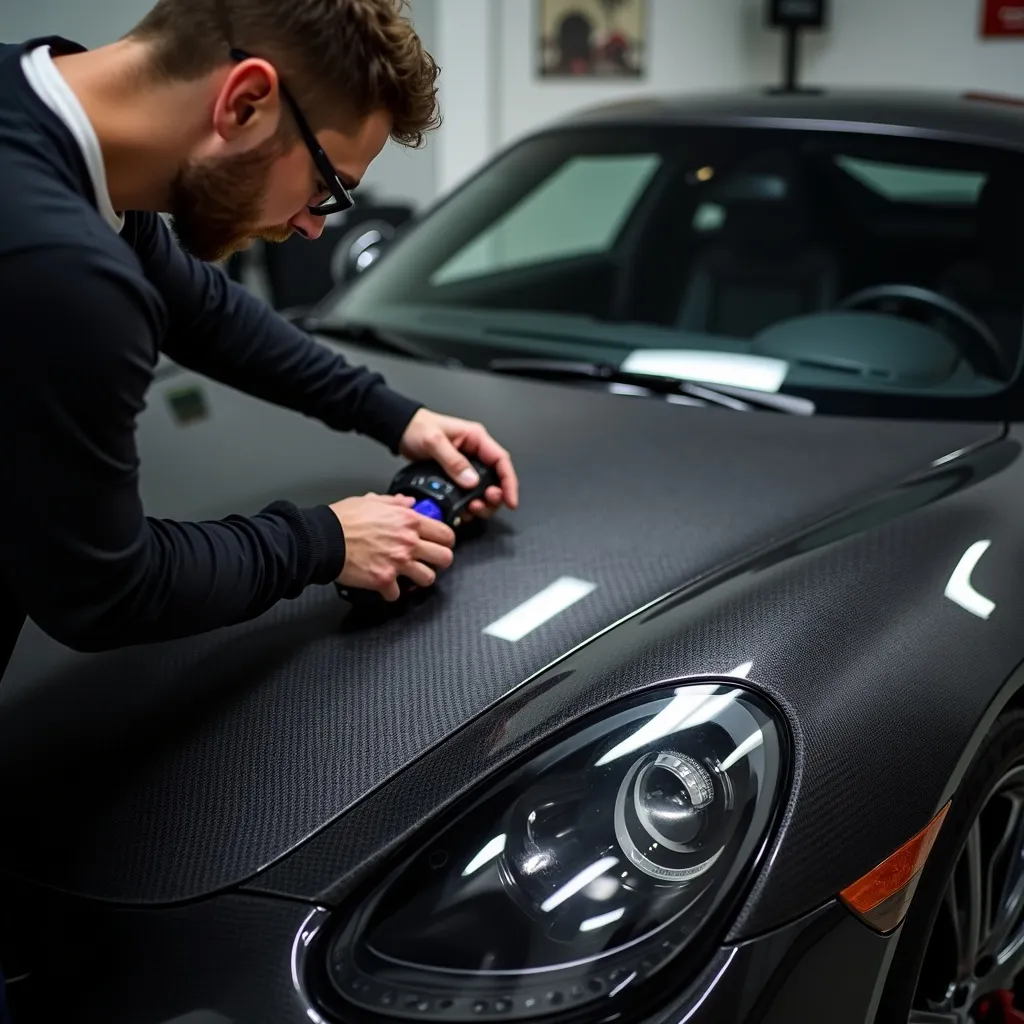
Understanding Car Wrapping: Advantages and Applications
Car covering turns vehicles into mobile canvases, delivering both visual appeal and practical benefits. This advanced process involves applying a vinyl film to a vehicle’s surface, enabling a broad selection of colors and designs. One of the chief benefits of car wrapping is its ability to protect the original paint from scratches, UV rays, and environmental damage, thereby maintaining the vehicle's resale value. Additionally, wraps can be removed easily, enabling owners to change designs or return the vehicle to its original appearance without permanent alterations. Businesses often use car wraps for advertising purposes, making their vehicles into eye-catching promotional tools that reach a broad audience. Furthermore, the customization options are nearly limitless, fulfilling individual tastes and branding needs. Overall, car wrapping acts as an useful solution for enhancing visual appeal while offering functional protection.
Types of Car Coverings You Should Consider
When considering car wraps, multiple choices are accessible to suit different preferences and needs. Important considerations encompass vinyl wrap choices, the distinction between matte or glossy finishes, and the possibility for personalized graphic artwork. Each type provides unique aesthetic and functional benefits that can improve any vehicle's appearance.
Vinyl Layer Possibilities
There is a selection of vinyl wrap options available, each offering distinct design and performance advantages. Car owners can pick from options such as solid colors, which provide a clean and uniform look, or patterned wraps that introduce original designs and textures. Furthermore, vehicle owners might consider specialty wraps like carbon fiber, which imitates the look of premium materials, or reflective wraps that improve visibility at night. Custom graphics allow for custom expression, letting businesses display logos or messages effectively. Every option suits different tastes and goals, ranging from visual charm to branding benefits. Choosing the appropriate vinyl wrap requires assessing the desired impact, durability, and upkeep needs, ensuring a tailored method of vehicle transformation.
Matte and Glossy Coatings Explored
When choosing matte or glossy finishes for car wraps, it can dramatically affect the vehicle's overall look. Matte finishes provide a refined and minimalist look, diminishing light and reducing glare. This choice is favored by those wanting a unique, modern look. Nevertheless, matte wraps can be more prone to scratches and might need dedicated cleaning methods to keep their appearance.
In comparison, glossy finishes deliver a bright, reflective effect that enhances colors and details, making the vehicle to stand out. Glossy wraps are typically easier to clean and more resistant against wear, but they may bounce too much light for some tastes. Ultimately, the choice between matte and glossy finishes relies on personal preference and desired impact.
Custom Graphics Designs
In the process of searching for custom graphics designs for car wraps, different designs can upgrade a vehicle's appearance and attractiveness. From bold graphics that make a statement to detailed designs that show creativity, the options are extensive. Unique emblems or company graphics are perfect for businesses aiming to market while traveling. Additionally, natural patterns, angular shapes, and drawn visuals meet diverse tastes. Bands and racing motifs can give a dynamic look, while retro looks can bring nostalgic appeal. Each option not only expresses unique personality but also draws notice on the road. Ultimately, selecting the right custom graphic makes certain a vehicle gets seen in a sea of average automobiles.
Picking the Perfect Design for Your Car Wrap
What is the method to choose the most optimal design for a car wrap? Picking the right design involves analyzing several key factors. First, the target audience must be identified; a design attractive to young adults may differ significantly from one aimed at corporate clients. Next, brand identity plays a fundamental role; colors, logos, and themes should align with existing marketing materials to maintain consistency.
Furthermore, the vehicle's contour and dimensions can affect design choices; intricate patterns may not translate effectively on smaller vehicles. It's also vital to consider the information being communicated; clearness and visual impact are paramount, ensuring that the design communicates successfully at a glance.
To summarize, industry trends should be reviewed; while originality is valuable, incorporating current aesthetics can strengthen appeal. By carefully fusing these parts, one can construct a noteworthy car wrap design that pulls attention and connects with viewers.
What Is the Process of Car Wrapping?
Car wrapping involves meticulous planning and organization. The procedure usually starts with a comprehensive cleaning of the automobile's surface to ensure that grime and particles do not interfere with adhesion. Next, the artwork is created or picked, often using specialized software to visualize how the covering will look on the car. The vinyl product is then produced, cut, and prepared for application.
Once completed, the installer accurately gauges and aligns the pieces, confirming a perfect connection. Heat is applied by using a heat gun to help the vinyl mold to the car's lines and surfaces. A squeegee is used to remove air bubbles and create a firm bond. Finally, the edges are trimmed and fastened to avoid lifting. This detailed procedure results in a gorgeous, attention-grabbing change that can last for several years with regular upkeep.
Taking care for Your Car Wrap: Vital Tips
Once the car wrapping procedure is finished, maintaining the wrap is essential for preserving its look and durability. Regular cleaning is important; using a gentle cleanser mixed with water with a gentle material helps prevent accumulation of debris. It is recommended to avoid automatic car washes, as harsh brushes can damage the wrap. Alternatively, manual cleaning is suggested to maintain the finish.
Additionally, using a UV protectant can shield the wrap from sun harm, preserving its color and gloss. Storing your vehicle in shaded areas or garages can also decrease exposure harmful UV rays.
Reviewing the wrap periodically for any separated sections or bubbles is necessary; these should be addressed promptly to prevent additional wear. Finally, avoiding contact with abrasive materials and chemicals guarantees the wrap remains intact and vibrant. By adopting these essential tips, car owners full information can enjoy their eye-catching designs for many years to follow.
What Does Car Wrapping Cost?
Grasping the costs tied to car wrapping is important for potential customers. Numerous factors influence the final price, including vehicle size, wrap material, and intricacy of the design. On average, the price spectrum for car wrapping can vary considerably based on these elements.
Factors Impacting Cost
While various factors contribute to the overall cost of car wrapping, the primary components consist of the type of vinyl used, the intricacy of the design, and the size of the vehicle. High-quality vinyl materials tend to be more durable and visually appealing, affecting costs significantly. Additionally, complex designs that demand advanced techniques, such as custom graphics or multi-color applications, can increase expenses. The vehicle's size also plays an essential role; larger vehicles necessitate more material and labor, leading to higher prices. Furthermore, the expertise of the installer can influence costs, as skilled professionals may charge more for their services. Ultimately, understanding these factors aids in budgeting for a car wrapping project effectively.
Average Price Span
The price of car wrapping typically differs greatly based on multiple elements. Prices usually fall between $2,500 and $5,000 for a full car wrap, subject to the vehicle's size and the design complexity. Smaller cars tend to cost less, while larger vehicles such as vans or trucks often are pricier. Additionally, the material quality employed has an impact that matters; premium vinyl films can raise prices. Labor charges also vary by region and how experienced installers are. Simple color adjustments may be more affordable than detailed or custom designs. Ultimately, those interested should seek multiple quotes to make certain they get a fair price for their wrap choice.
Real-Life Examples: Inspiring Car Wrap Styles
Automobile wrap styles have transformed vehicles into creative canvases, spotlighting creativity and brand identity. Plentiful practical examples substantiate the wide array of this channel. For instance, a local coffee shop executed a dynamic design presenting coffee beans and steaming cups, capably converting interest into sales while advancing its brand. Another exemplary example is a sports car adorned with a sleek metallic finish, polishing its aerodynamic appeal and bestowing it a custom look that stands out on the racetrack.
Additionally, an green-minded company painted its delivery van in a nature-based motif, complete with leaves and earth tones, exemplifying its commitment to sustainability. These designs not only capture attention but also express ideas and values relevant to the brands they represent. By integrating striking visuals with effective marketing strategies, car wraps have become a powerful tool for businesses and individuals alike, inspiring others to explore their own creative possibilities.
Frequently Asked Questions
What Timeframe Can You Predict from a Car Wrap?
A car wrap typically lasts from five to seven years, depending on factors such as quality of materials, exposure to environmental conditions, and maintenance. Proper care can extend its lifespan, guaranteeing the design remains vibrant and intact.
Is it Possible to Wrap a Rented Automobile?
Yes, a rental car can be fitted with a wrap, but it's necessary to review the rental agreement first. Many rental agencies approve wraps, so long as they are removed before delivering back the vehicle to avoid potential charges.
Does a Car Wrap Damage My Finish?
A car wrap generally does not harm the paint if installed and taken off correctly. However, extended contact or low-grade products may cause problems, making proper installation and removal crucial for paint preservation.
How Can I Remove a Car Wrap?
To remove a car wrap, warm up the vinyl with a hairdryer or heat gun, slowly peel the wrap, and apply adhesive remover to any leftover residue. Patience guarantees minimal harm to the paint below.
Do Lawful Restrictions Exist for Car Wraps?
Restrictions on car wraps lawfully differ depending on your location. Certain areas may enforce requirements regarding style, promotional content, or license plate appearance. It's vital to review local ordinances before putting on a wrap to guarantee compliance.